Understanding Base Coat, Clear Coat, and Primer
Understanding Base Coat, Clear Coat, and Primer
When it comes to autobody paint, achieving a flawless, long-lasting finish isn’t just about color choice; it’s about understanding the layers beneath the surface. Primer, base coat, and clear coat each play a critical role in protecting your vehicle and delivering that showroom-quality shine.
Whether you’re a professional auto body technician, a car enthusiast, or a vehicle owner curious about the repainting process, this guide breaks down how each layer works and why none of them can be skipped.
What Is Autobody Paint?
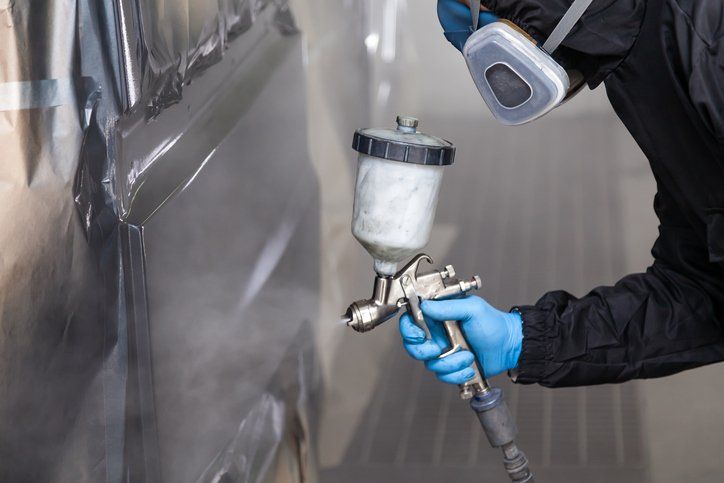
Autobody paint refers to the multi-layer coating system applied to a vehicle’s exterior. Modern automotive paint systems are engineered for durability, corrosion resistance, UV protection, and visual appeal. Rather than a single coat of paint, today’s vehicles rely on a three-layer system:
- Primer
- Base Coat
- Clear Coat
Each layer has a specific purpose, and together they create a finish that looks great and lasts for years.
Primer: The Foundation of Autobody Paint
Primer is the first and most essential layer in the autobody paint process. It’s applied directly to bare metal or repaired surfaces.
What Primer Does
- Promotes adhesion between the surface and paint
- Prevents rust and corrosion
- Fills minor imperfections and sanding marks
- Creates a uniform surface for color application
Why Primer Matters
Skipping primer or applying it incorrectly can lead to peeling paint, uneven color, and premature failure of the entire paint job. In professional autobody paint work, epoxy or urethane primers are commonly used for their durability and corrosion resistance.
Base Coat: Where Color Comes to Life
The base coat is the layer responsible for your vehicle’s color and visual effect. This is what most people think of when they talk about autobody paint.
What the Base Coat Does
- Provides the vehicle’s color
- Creates metallic, pearl, or matte effects
- Ensures even color distribution across panels
Key Things to Know
- Base coats are not designed for protection
- They must be applied evenly and allowed to flash properly
- Without a clear coat, base coat paint will fade and degrade quickly
Modern autobody paint systems use waterborne or solvent-based base coats, both designed to meet strict environmental and performance standards.
Clear Coat: Protection and Shine
The clear coat is the final layer applied over the base coat and is critical for both protection and appearance.
What Clear Coat Does
- Protects against UV rays, oxidation, and weather damage
- Adds gloss and depth to the color
- Provides resistance to scratches and chemicals
Why Clear Coat Is Essential
Clear coat is what keeps autobody paint looking new over time. Without it, color fades rapidly, and the surface becomes vulnerable to environmental damage. High-quality clear coats also allow for polishing and paint correction without damaging the color layer beneath.
Contact Our Body Shop Today!
Understanding primer, base coat, and clear coat is essential for anyone considering autobody paint work. These layers aren’t optional. They work together as a complete system to protect your vehicle, enhance its appearance, and ensure long-lasting results. When applied correctly by experienced professionals, autobody paint can restore your car’s value and keep it looking great for years.
If your vehicle needs painting, refinishing, or collision repair, residents can trust the professionals at F. Vuelvas Collision Center Inc. We use proven autobody paint systems and meticulous preparation to deliver durable, high-quality finishes. Contact us today to schedule a consultation. We proudly serve the Midland, Odessa, and Permian Basin, TX areas.